
Use these tips provided by Shapley’s to achieve the best results when using M-T-G for a variety of conditions.
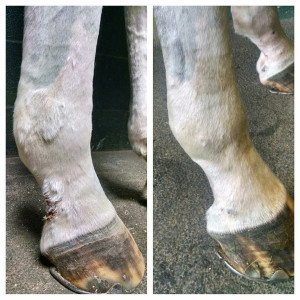
M-T-G was originally developed by a barber to treat human skin and hair conditions. One of the “magic” ingredients is oil of cade, derived from a type of juniper tree. Oil of cade has been used for hundreds of years to treat skin issues.Today, M-T-G is used on animals, and horse owners in particular use it to treat dozens of conditions, including rain rot, scratches, sweet itch, dandruff and even thrush. You can also use it to loosen wind knots and remove smegma stains from the insides of your gelding’s legs. Tar, sap, and other sticky substances can be removed with a small amount of M-T-G. Reading the instructions can save you a bit of time and give you the best results. Continue reading
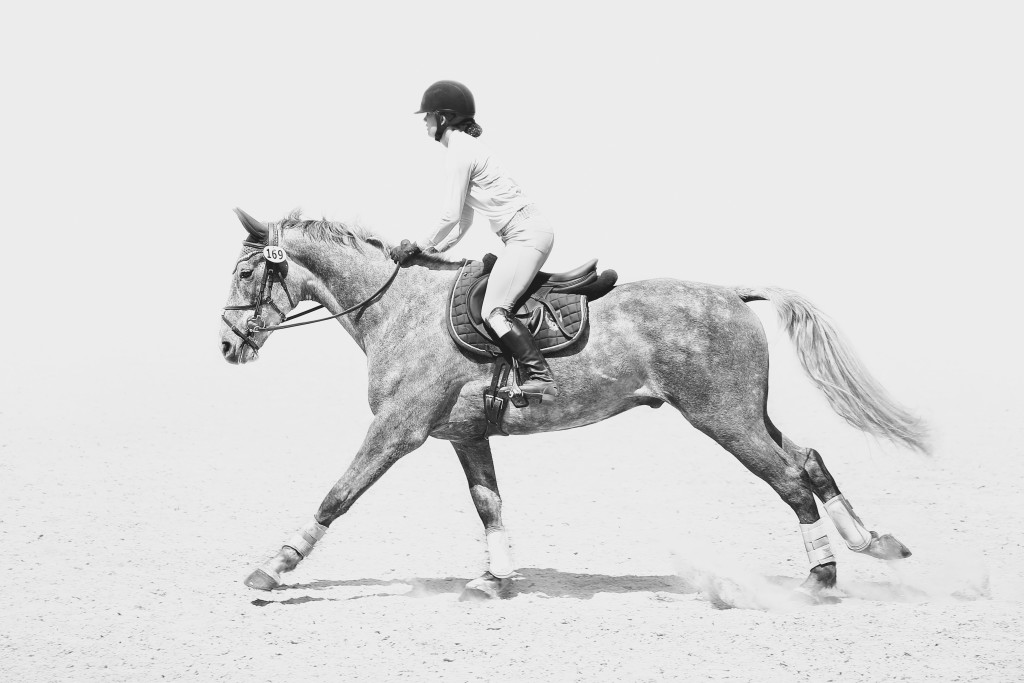 Kentucky Equine Research explains what puts stress on your horse’s joints and how to help keep them supported and healthy.
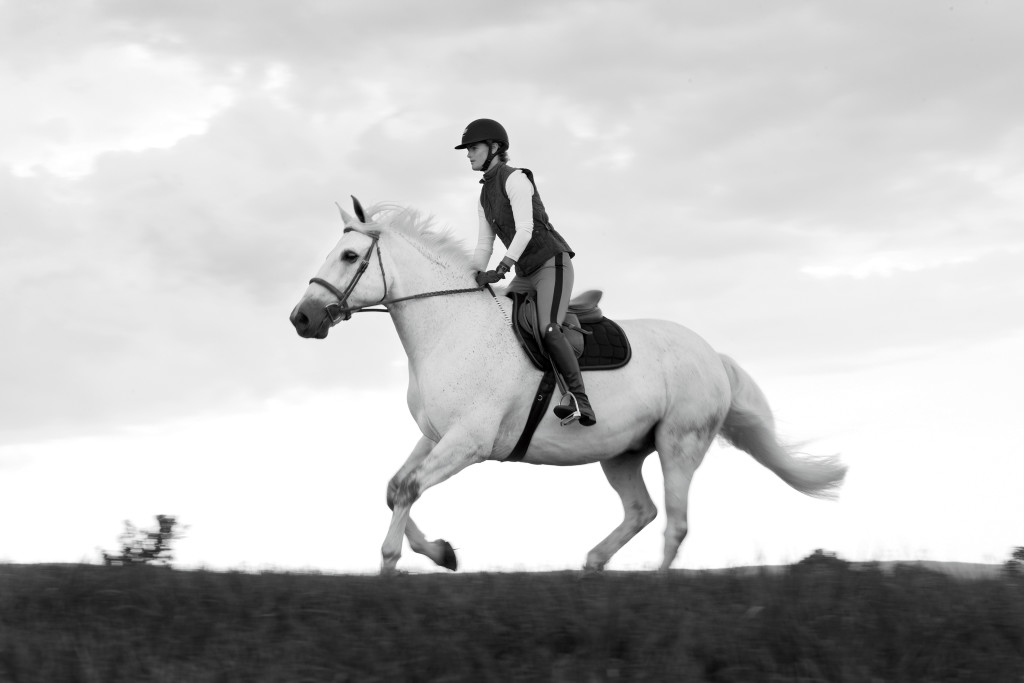 We are extremely excited about our newest boots from Parlanti. Designed exclusively for Dover, these gray Parlanti boots are exceptionally styled, combining fashion and function into the ideal riding boot. We recently caught up with Gianluca Caron, CEO of Parlanti Passion USA, to find out what makes the brand unique, how he got involved with the company and how our new gray Parlanti Dallas Field Boot was developed.
 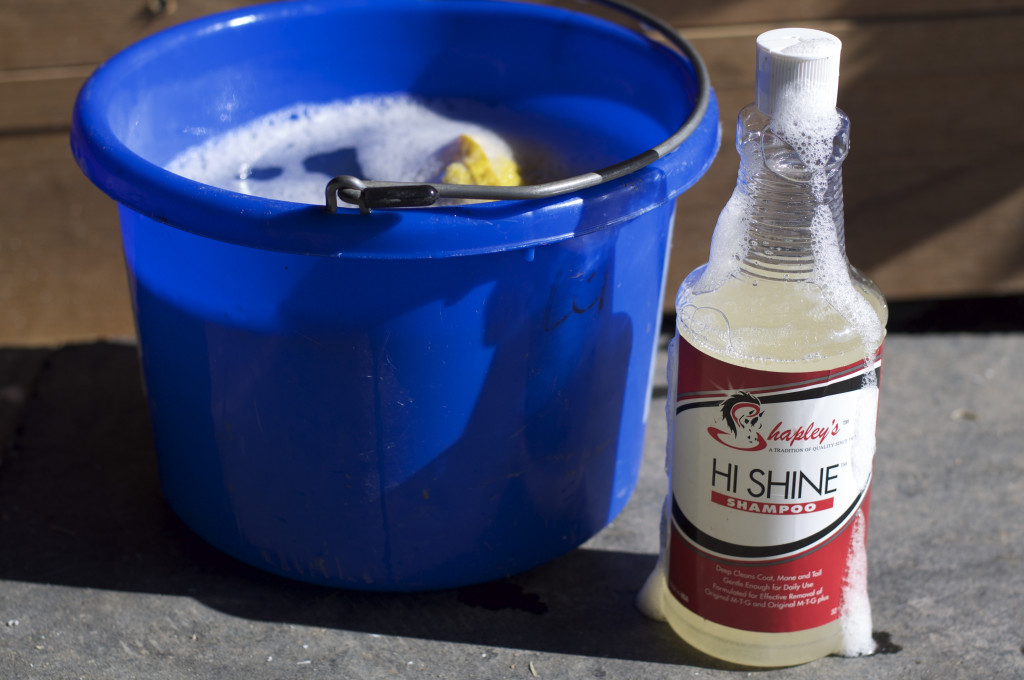 Although it feels like just yesterday we were covered in freshly shed horse hair, it’s now time to start thinking about clipping again! Here are a few key tips that will help the clipping process go smoothly from start to finish.
  Vitamin E has an important role in many physiological functions in the horse, including reproduction, immune response and nerve and muscle function, yet it is one of only a few vitamins that horses cannot produce themselves; it must be provided in the diet. Without vitamin E, horses may experience a variety of issues, including pathological changes and poor immunity.
 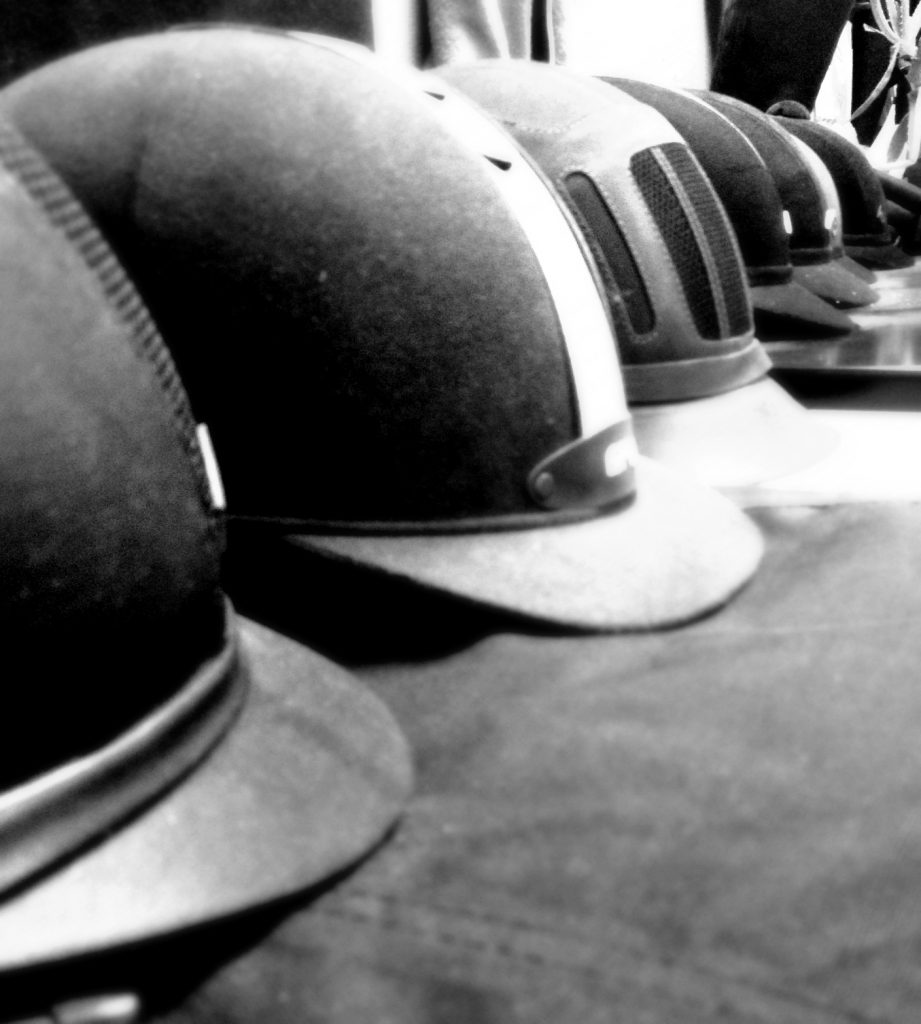 This Helmet Week, we were able to speak with Dean Moran, Program Manager at SEI, regarding helmet safety testing. He explained to us all about the standards, testing frequency, process and which helmet brands participate.
 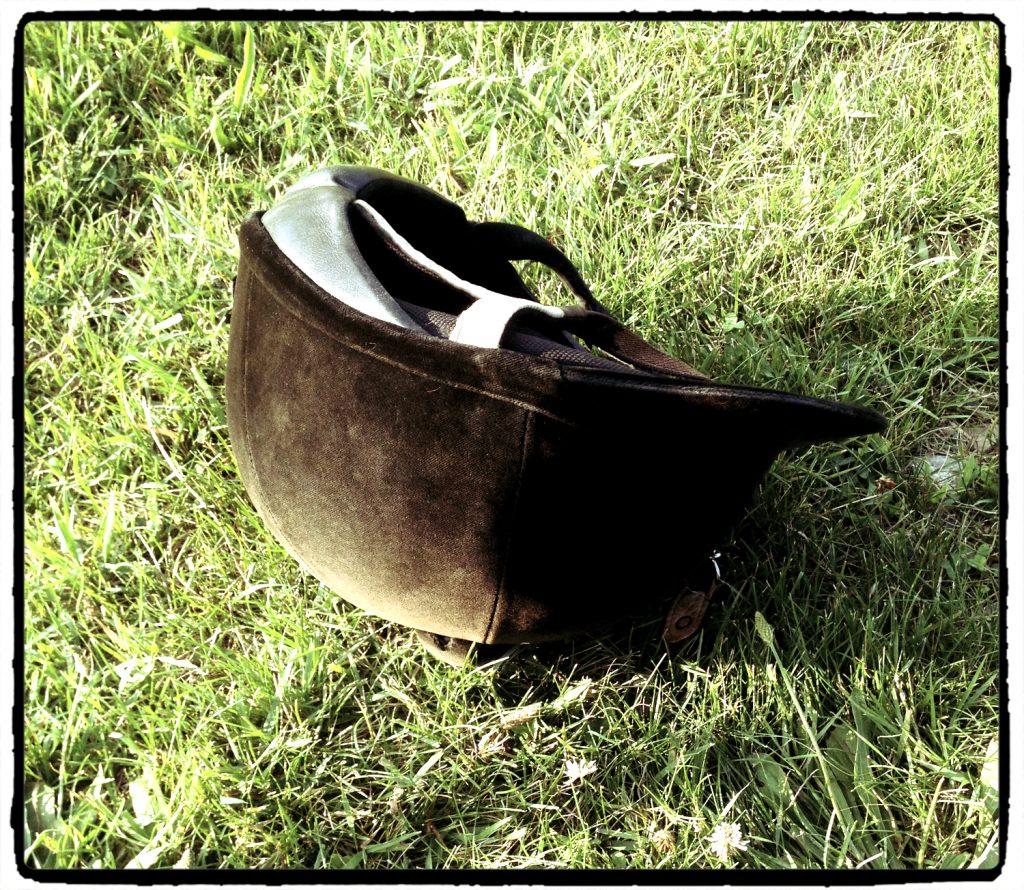 Although a riding helmet can make a fashion statement reflective of your personal style, it’s far from a simple accessory. Use of a protective helmet is always wise for riding, and in fact is mandated by the U.S.E.F. and the F.E.I. for mounted riders on show grounds. Some horse handlers even choose to wear a helmet for lungeing or while working with young or fractious horses on the ground as an added precaution.
 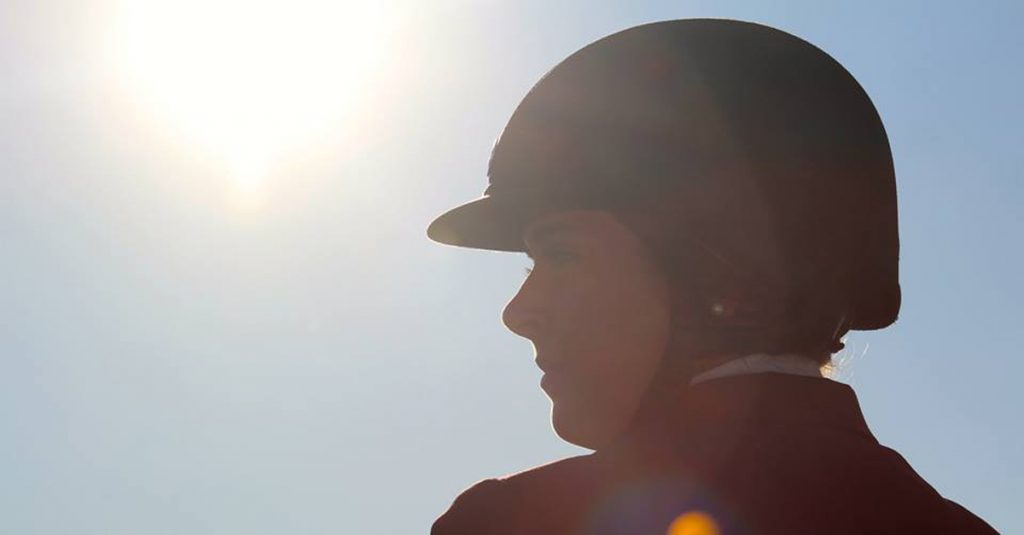 It’s Helmet Week here at Dover! A helmet is perhaps the most important piece of equipment a rider will purchase. Choosing the right helmet requires a rider to find a model that is aesthetically pleasing, appropriate for use in his or her riding discipline—and most critically—well fitting. A helmet purchase can represent a significant investment once all these factors are met, so proper helmet care is also critical. We’ve put together some helpful resources about riding helmets so that you can arm yourself with the knowledge to get the most out of your riding helmet.
 If you’ve used any